


Importing wpc wall panel requires careful evaluation across multiple dimensions to ensure you select the right product and supplier for your project needs. Whether you are a distributor, contractor, or builder, the decision to import wpc wall panel involves financial commitment and long-term business implications. Understanding what to compare before importing wpc wall panel will help you avoid costly mistakes, secure consistent quality, and achieve better project outcomes. This guide covers the essential comparison factors that professional buyers use when evaluating wpc wall panel options in the global market.
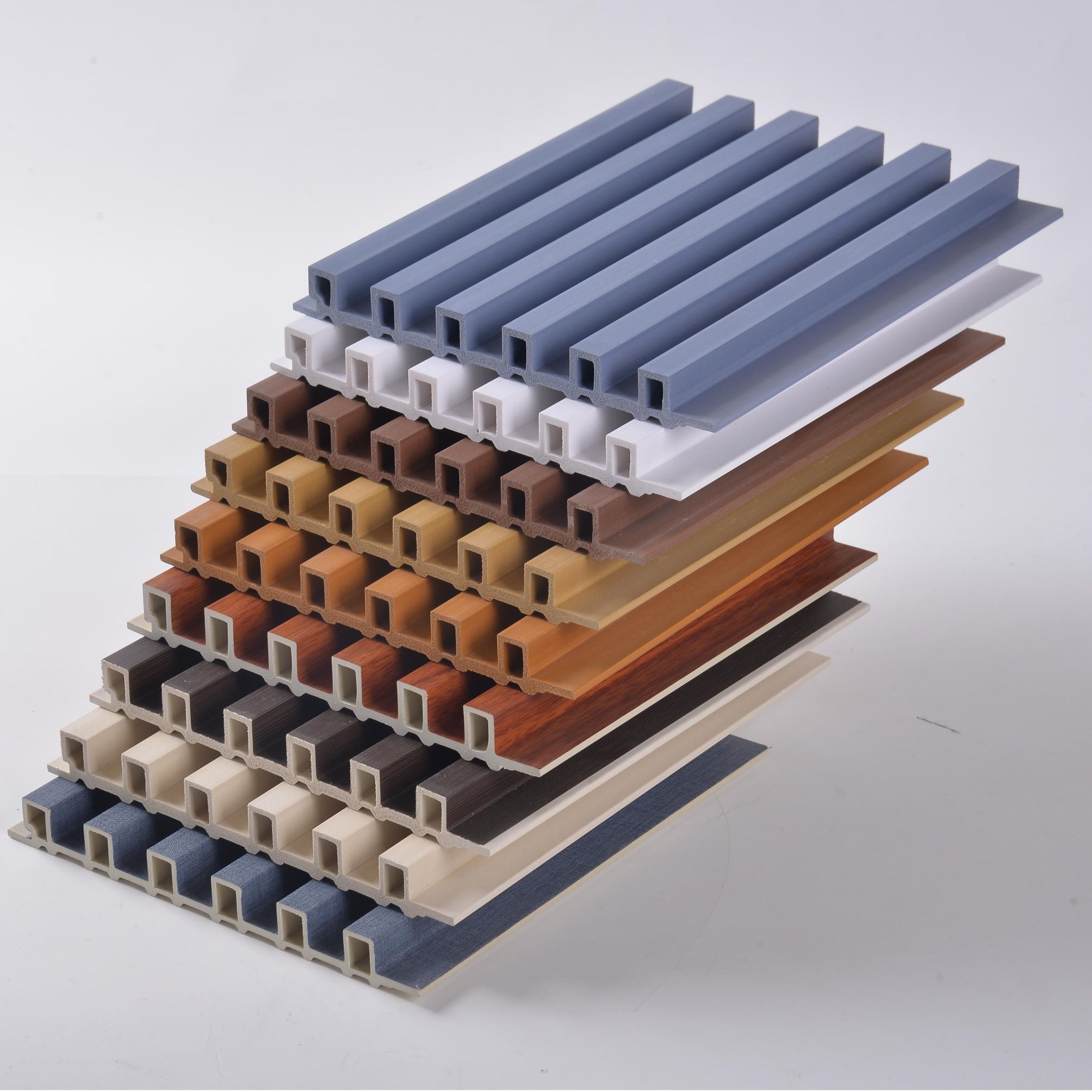
The wpc wall panel market has expanded significantly, offering buyers more choices but also greater complexity in decision-making. When comparing wpc wall panel options from different suppliers, you must look beyond basic pricing to understand quality grading, material composition, durability specifications, and warranty terms. This article walks you through the critical comparison criteria that separate premium wpc wall panel from standard offerings and helps you align your import decision with your project requirements and budget constraints.
Material Composition and Quality Specifications
Wood-Plastic Blend Ratios
The core value of wpc wall panel derives from its wood-plastic composition, which determines durability, aesthetic appeal, and performance characteristics. When comparing wpc wall panel products, examine the exact wood fiber percentage and plastic resin type used in manufacturing. Higher quality wpc wall panel typically contains 50-70% wood fiber combined with virgin or recycled polyethylene, polypropylene, or polyvinyl chloride. The wpc wall panel composition directly affects weather resistance, color stability, and long-term dimensional stability. Suppliers should provide detailed material certifications showing fiber sources, resin specifications, and manufacturing standards. Asking for material data sheets before importing wpc wall panel ensures you understand what you are receiving and can verify consistency across shipments.
Density and Structural Properties
Structural integrity of wpc wall panel depends heavily on its density rating and internal homogeneity. Compare the density specifications of candidate wpc wall panel products, as this directly correlates with impact resistance, load-bearing capacity, and dimensional stability over time. Higher-density wpc wall panel typically performs better in high-traffic areas and climates with temperature fluctuations. Reputable suppliers provide wpc wall panel with consistent density throughout each board, verified through independent testing. Request density test reports and ask whether the wpc wall panel undergoes quality control scanning at the factory. This comparison factor becomes especially important if your wpc wall panel will be used in outdoor or semi-outdoor applications where structural performance is critical.
Durability, Weathering, and Performance Standards
UV Stability and Color Retention
One of the primary reasons buyers choose wpc wall panel is its superior weathering performance compared to natural wood. However, not all wpc wall panel offers equivalent UV resistance or color stability. Compare the UV protection specifications and accelerated weathering test results of different wpc wall panel options before importing. Premium wpc wall panel includes UV stabilizers and pigmentation systems that maintain color integrity for 10+ years under direct sunlight. Budget-grade wpc wall panel may fade noticeably within 2-3 years if exposed to intense UV without protective coatings. Ask suppliers for laboratory reports showing how their wpc wall panel performs under accelerated weathering tests that simulate years of sun exposure. This comparison protects your long-term aesthetic investment and reduces maintenance costs associated with fading wpc wall panel.