


The selection of flooring materials profoundly influences the perception and value of luxury commercial buildings. Among all flooring options available today, the marble floor stands as the gold standard for high-end commercial properties, hospitality venues, and corporate headquarters. A marble floor immediately communicates sophistication, permanence, and refined taste to visitors and clients. The decision to install a marble floor is not merely aesthetic—it represents a strategic investment in brand identity, property value, and long-term operational excellence.
Commercial property managers and architects increasingly recognize that a marble floor transforms entry lobbies, reception areas, and public spaces into environments that reflect organizational prestige. Unlike commodity flooring materials that fade and wear noticeably, a marble floor maintains its visual impact across decades, ensuring that capital expenditures deliver sustained competitive advantage. This article explores the multifaceted reasons why marble floor design has become the preferred choice for luxury commercial developments worldwide.
Aesthetic Excellence and Visual Impact
Creating Timeless Elegance
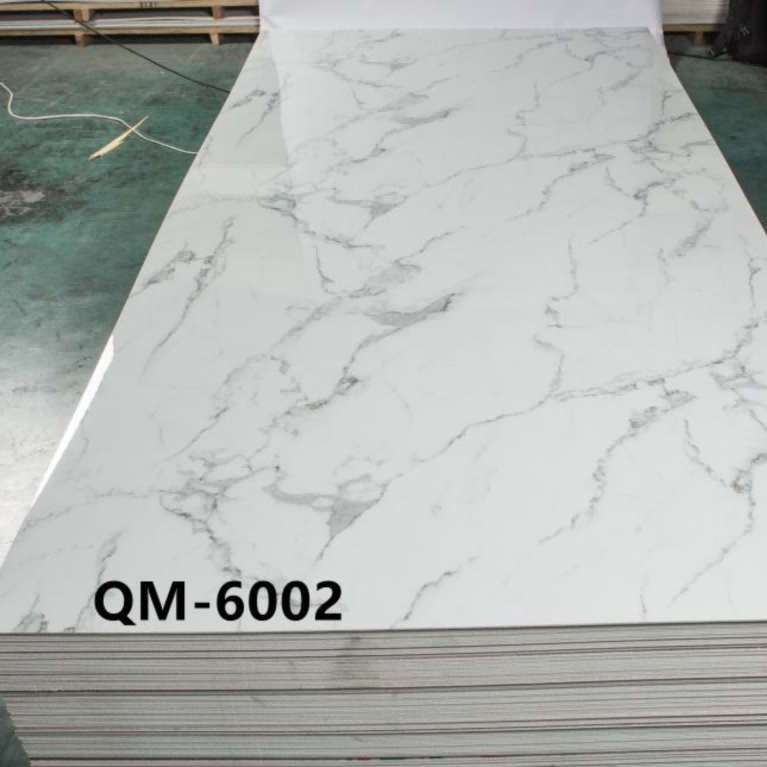
A marble floor provides an unmatched foundation for sophisticated interior design schemes. The natural veining patterns inherent in marble stone create depth and visual interest that modern manufactured materials cannot replicate. Each marble floor installation is genuinely unique, with stone variations that add character and authenticity to commercial spaces. Luxury brands understand that clients and partners form immediate impressions within the first moments of entering a building, and a marble floor establishes that perception of excellence instantly.
The color palette available through marble floor options ranges from pristine whites to warm creams, sophisticated grays, and dramatic blacks. A marble floor can be selected to complement corporate branding, architectural style, or landscape design themes throughout the property. This versatility means that a marble floor integrates seamlessly into contemporary minimalist designs, classical revival aesthetics, or transitional interiors that blend modern and traditional elements.
Enhancing Spatial Perception
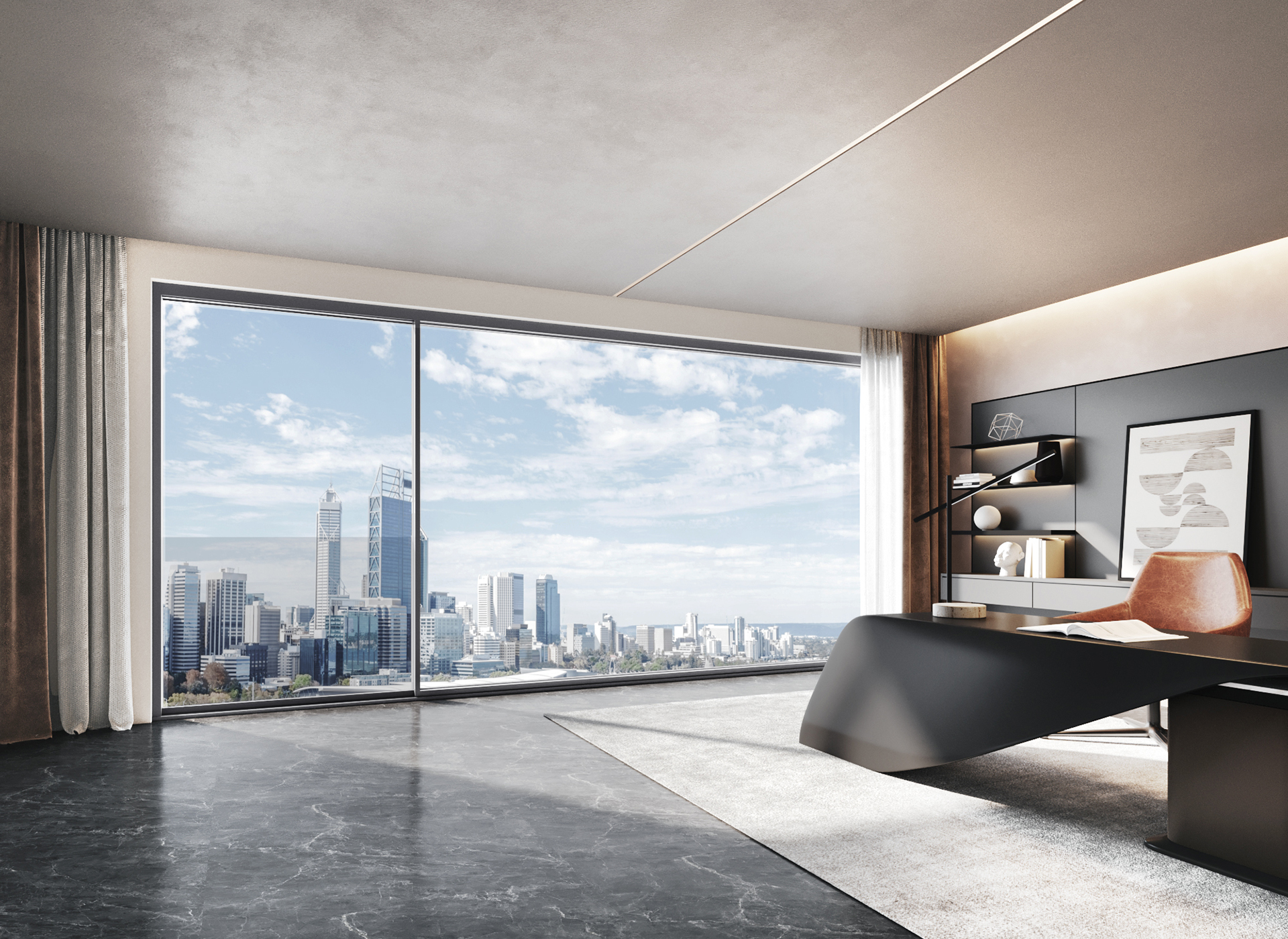
Large-format marble floor installations amplify the perceived scale and grandeur of commercial spaces. When a marble floor extends across expansive atriums or connects multiple levels visually through consistent material choice, the entire property feels more cohesive and deliberately designed. Architects leverage the reflective qualities of polished marble floor surfaces to enhance natural and artificial lighting, making spaces feel brighter and more welcoming without increasing energy consumption.
A marble floor also provides neutral visual grounding that allows furnishings, artwork, and architectural details to become focal points rather than competing with busy floor patterns. This design principle elevates perceived quality and allows property managers to refresh interior décor without replacing the flooring substrate, extending the functional lifespan of capital investments.
Durability and Long-Term Value Proposition
Superior Material Performance
Marble floor materials demonstrate exceptional hardness and density when properly selected and installed. Commercial-grade marble floor stone resists scratching, denting, and surface degradation far better than laminate, vinyl, or lower-tier ceramic options. While marble floor requires professional maintenance protocols, the stone's inherent durability means that properly maintained installations continue performing reliably for fifty years or longer, outlasting multiple generations of alternative flooring materials.
A marble floor's performance advantage becomes apparent through cost-per-year analysis over extended ownership periods. While initial installation costs for a marble floor exceed many alternatives, the total cost of ownership often favors marble floor investments because replacement and extensive repairs remain unnecessary across decades. Commercial property portfolios demonstrate that marble floor installations from the 1970s and 1980s continue delivering premium functionality and appearance with only routine maintenance.
Investment Appreciation and Property Valuation
Real estate appraisers recognize that a marble floor substantially increases property valuations in luxury commercial markets. Properties featuring quality marble floor installations command premium lease rates and attract higher-caliber tenants. Institutional investors and corporate occupants view a marble floor as evidence of property quality, financial stability, and management sophistication. This perception directly translates to increased rental income, lower vacancy rates, and enhanced asset values.
The marble floor category represents one of the few building materials that potentially appreciates in value alongside property appreciation. Unlike HVAC systems or roof membranes that gradually deteriorate and eventually require expensive replacement, a marble floor often gains aesthetic and monetary value as the stone develops patina and mellows with age. Sophisticated investors recognize this dynamic and prioritize marble floor installations when acquiring or developing luxury commercial properties.
Brand Communication and Market Positioning
Signaling Quality and Permanence
A marble floor functions as non-verbal communication that conveys organizational values and market positioning. Financial institutions, luxury hospitality brands, and professional service firms specifically choose marble floor design to reinforce messages of stability, trustworthiness, and exclusivity. Clients and business partners unconsciously process environmental cues, and a marble floor registers as a signal that the organization invests in quality, sustainability, and long-term thinking rather than pursuing short-term cost minimization.
This symbolic dimension of marble floor selection extends to employee perceptions and organizational culture. When staff members work within environments featuring premium marble floor installations, they experience enhanced pride in organizational affiliation. Recruitment and retention data from luxury hospitality and professional services firms indicate that high-quality work environments—including marble floor selections—correlate with improved employee satisfaction and reduced turnover.
Differentiation in Competitive Markets
In competitive commercial real estate markets, a marble floor provides tangible differentiation that justifies premium positioning. Properties with marble floor installations attract corporate tenants seeking distinctive environments that reflect brand sophistication. Law firms, investment advisory services, and executive offices specifically request marble floor specifications because the material aligns with their market positioning and client expectations.
A marble floor also supports marketing narratives around sustainability and timeless value. Property marketers emphasize that marble floor installations represent centuries-old craftsmanship and enduring beauty, positioning the property as distinct from generic commercial developments relying on commodity materials. This storytelling dimension adds emotional resonance to leasing and investment communications, supporting premium pricing strategies.
Practical Maintenance and Environmental Considerations
Cleaning and Lifecycle Management
Professional maintenance protocols for marble floor installations are well-established and cost-effective when properly implemented. Regular sealing, pH-neutral cleaning, and periodic professional restoration keep marble floor surfaces in optimal condition without requiring specialized expertise. Building management companies routinely handle marble floor maintenance as part of standard facility operations, and the processes involve minimal downtime or operational disruption.
The aesthetic consistency of a marble floor actually improves with proper professional care, as occasional polishing enhances the stone's luster and prevents dull appearance development. This maintenance-responsive characteristic contrasts favorably with flooring materials that deteriorate irreversibly once worn or stained. A marble floor represents an opportunity for property managers to invest in regular care routines that enhance rather than merely preserve appearance.
Sustainable Building Material Choice
A marble floor qualifies as a sustainable building material because marble stone is quarried as a natural resource and requires no petroleum-based processing or synthetic manufacturing. Unlike vinyl or laminate flooring that relies on fossil fuels and generates significant manufacturing waste, marble floor production represents relatively low-impact extraction and finishing. When evaluated across full lifecycle analysis, including transportation impacts and manufacturing energy requirements, a marble floor demonstrates environmental profiles superior to many synthetic alternatives.
Property developers pursuing LEED certification or sustainable building standards increasingly prioritize marble floor selections as demonstrable commitments to environmentally responsible construction. The longevity of marble floor installations also supports sustainable objectives by minimizing replacement frequency and associated waste generation. Organizations emphasizing environmental responsibility discover that marble floor design enables simultaneous achievement of aesthetic excellence and ecological responsibility.